

Introduction
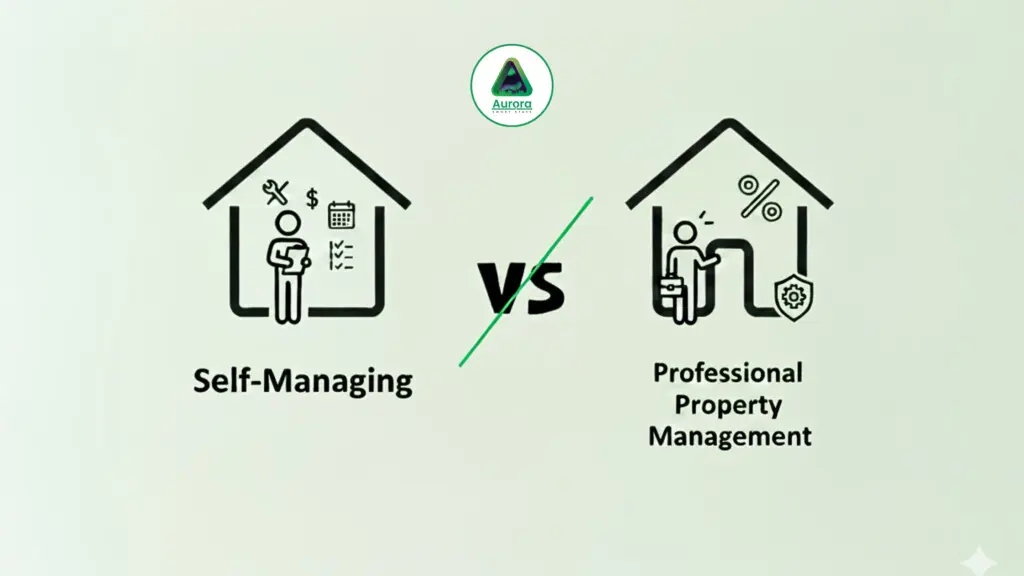
As a property owner or landlord in the UK, one of the key decisions you’ll face is whether to self-manage your rental property or hire a professional property management company. Both options come with their own set of benefits and challenges, and the right choice depends on your specific circumstances. Whether you’re a first-time landlord, a seasoned investor with multiple properties, or a serviced accommodation host, understanding the pros and cons of self-managing versus professional property management is essential to making an informed decision.
In this blog post, we’ll compare the two options in terms of time commitment, legal responsibilities, stress, and overall cost. We’ll also briefly touch on UK landlord compliance and regulations, which can play a significant role in your decision-making process.
Self-Managing a rental property
Self-managing a property means that you, as the landlord, are directly responsible for all aspects of the property management process. This includes everything from finding guests to handling maintenance requests, collecting rent, managing disputes, and ensuring compliance with relevant laws and regulations.
As a self-managing landlord, you will need to:
- Market your property: Advertise your property on rental websites, social media, and through other channels.
- Screen guests: Conduct background checks, reference checks, and ensure guests are reliable.
- Handle maintenance issues: Respond to repair requests and keep the property in good condition.
- Ensure compliance: Stay updated on UK landlord regulations and ensure your property complies with safety standards, such as gas safety checks, fire safety, and electrical inspections.
Pros of Self-Managing
- Control Over Decisions: As the landlord, you have complete control over every decision related to your property. From selecting tenants to handling maintenance, you make all the calls.
- Cost Savings: You save on management fees, which typically range from 10% to 20% of the monthly rent. This can be a significant saving, especially for landlords with multiple properties.
- Direct Communication with guests: You can establish a personal relationship with your guests, making it easier to address concerns or resolve issues quickly.
- Flexibility: Self-managing allows you to adjust your processes to suit your specific needs. Whether it’s handling payments or deciding when to carry out maintenance, you have the flexibility to adapt.
- Long-Term Investment: If you’re managing just one or two properties, the learning curve may be manageable, and the savings on management fees can be reinvested back into your portfolio.
Cons of Self-Managing
- Time-Consuming: Self-managing a rental property can be time-intensive. From marketing your property to handling tenant disputes and maintenance requests, there’s a lot to manage on a daily basis.
- Stress and Responsibility: Managing guests, dealing with maintenance issues, and handling legal and regulatory compliance can be stressful, particularly when unexpected issues arise.
- Legal and Compliance Risks: The UK rental market is heavily regulated, and staying compliant with landlord regulations can be complicated. Self-managing landlords must keep track of safety standards, gas safety certificates, deposit protection schemes, and tenancy agreements. Failing to comply with these regulations can result in hefty fines or legal action.
- Limited Expertise: If you’re not familiar with the property management process, it can be easy to overlook small but important details, such as updating agreements or keeping up with new regulations.
- Guest Turnover: The responsibility of managing guest turnover, including conducting viewings and checking references, can be burdensome if you don’t have a team in place to assist.
What Professional Property Management Involves
Professional property management involves hiring a third-party company to handle all aspects of the rental property. These companies manage everything from advertising and guest screening to maintenance and income. A property management company can also provide 24/7 support for both you and your guests.
Key services provided by a property management company typically include:
- Advertising and marketing: Listing your property across various rental platforms.
- Guest screening: Conducting background and credit checks to ensure reliable guests.
- Financial and arrears management: Handling all financial transactions and following up on late payments.
- Maintenance management: Coordinating repairs and maintenance, often with vetted contractors.
- Legal compliance: Ensuring your property complies with all UK landlord regulations, such as gas and electrical safety certifications, fire safety, and eviction processes.
Pros of Hiring a Property Management Company
- Expertise and Experience: Property management companies have the expertise and experience to handle all aspects of property management, including legal requirements and tenant relations.
- Time-Saving: A property management company will handle all the time-consuming tasks, such as guest communication, maintenance, and rent collection. This frees up your time for other commitments.
- Legal Compliance: Property management companies stay up-to-date with UK laws and regulations, ensuring that your property is always in compliance. They’ll ensure safety certificates are in place, and your agreements are legally sound.
- Reduced Stress: With professionals handling all aspects of the property, you can avoid the stress of dealing with difficult guests, maintenance emergencies, or legal issues.
- 24/7 Tenant Support: Property management companies often provide round-the-clock support for guests, which can help resolve issues more quickly and improve guests satisfaction.
Cons of Professional Property Management
- Cost: Professional property management services come at a cost, typically ranging from 10% to 20% of the monthly rental income. While this fee covers many services, it may not be cost-effective for landlords with only one or two properties.
- Less Control: With a property management company, you give up some control over decisions such as guests selection and maintenance. While they handle everything, you might not always agree with the choices they make.
- Potential for Miscommunication: If you’re not in regular contact with your property management company, issues may arise. Some landlords prefer direct communication with guests to ensure they are satisfied with the service.
Cost Comparison: Self-Managing vs Professional Management
The most obvious difference between self-managing and hiring a professional property management company is cost. While self-managing a property can save you money on management fees, there are other costs involved:
- Self-Managing: You’ll save on management fees but may incur costs for advertising, legal documentation, property maintenance, and potentially legal fines if you fail to comply with regulations.
- Professional Property Management: The fees are higher but cover a wide range of services, including guests management, maintenance, legal compliance, and advertising. This can save you money in the long run, especially when considering the costs associated with legal non-compliance.
Ultimately, the cost comparison will depend on the number of properties you manage, your available time, and the complexity of your rental portfolio.
Time, Stress & Legal Responsibilities Comparison
- Time: Self-managing requires a significant time commitment, especially if you have multiple properties. A property management company takes this burden off your shoulders, allowing you to focus on other aspects of life or work.
- Stress: Managing guests, maintenance, and legal issues can be stressful. Hiring a professional property management company can relieve much of this stress by providing expertise and handling issues before they escalate.
- Legal Responsibilities: Both self-managing landlords and those using professional property management companies must comply with UK landlord regulations. However, property management companies are more likely to keep track of changing regulations, ensuring compliance and reducing the risk of fines or legal disputes.
Which Option Is Better for Different Types of Landlords?
- First-Time Landlords: If you’re new to the rental market, hiring a property management company might be the best option. They can guide you through the process, ensure compliance, and save you time and stress.
- Busy Professionals: If you have a demanding job and don’t have the time to manage your property, a property management company will take care of everything for you.
- Multiple Property Owners: For landlords with several properties, a property management company can help streamline operations and ensure consistent quality and compliance across your entire portfolio.
- Serviced Accommodation Owners: Serviced accommodation management requires specialized expertise, especially when dealing with frequent guest turnover, cleaning, and guest communications. A professional property management company with experience in serviced accommodation can help ensure your business runs smoothly.
Final Verdict / Conclusion
In the UK property market, both self-managing and professional property management have their advantages and drawbacks. Self-managing may be ideal for landlords with only a few properties and the time to manage them, but it comes with the risk of missing legal requirements or dealing with stressful tenant issues. On the other hand, a professional property management company offers peace of mind, compliance with regulations, and reduces your time and stress, though it comes at a cost.
Ultimately, the decision between self-managing and professional property management depends on your individual circumstances, the number of properties you own, and your tolerance for the responsibilities involved. For expert advice on how to best manage your property, consider speaking with a professional property management company.
By understanding the full scope of property management, you’ll be better equipped to make the right choice for your property.